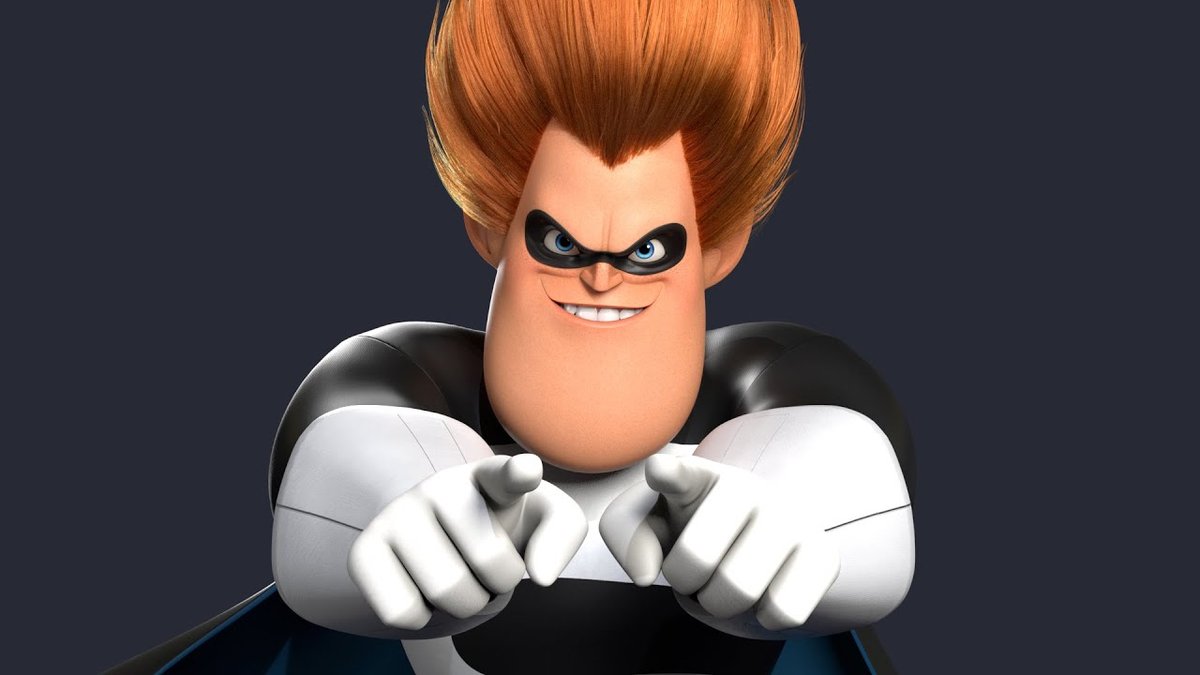
The world of The Incredibles is a vibrant, thrilling spectacle, but peel back the layers of its retro-futuristic charm and you'll find a story propelled by a single, unforgettable antagonist. Understanding Syndrome's Impact on The Incredibles' Plot and Themes isn't just about analyzing a villain; it’s about grasping the very engine of the film’s narrative and its profound messages. His unfulfilled dreams and technological prowess don't just create obstacles; they actively sculpt the Parr family's journey, forcing them to confront their identities, redefine heroism, and ultimately, embrace their unique strengths as a unit.
At a Glance: Syndrome's Core Impact
- Plot Driver: Syndrome's meticulous plans, born from rejection, are the primary catalysts that pull the Parr family out of hiding and into action.
- Thematic Mirror: He serves as a dark reflection of the Parrs' struggle with normalcy vs. extraordinary, challenging the very definition of heroism.
- Catalyst for Growth: His schemes force Bob, Helen, Violet, and Dash to grow individually and collectively, reinforcing family unity and self-acceptance.
- Conflict Embodiment: Represents the tension between innate power and technological advancement, and the dangers of unchecked ego and vengeance.
- Societal Critique: His desire to "democratize" heroism critiques societal pressures that stifle individual talent and promote conformity.
The Shadow Behind the Cape: Who is Syndrome?
Every great story needs a compelling antagonist, and Syndrome is far more than a mere obstacle. He is the personification of unfulfilled desires, a twisted reflection of the very heroism he seeks to destroy. Born Buddy Pine, a scrawny, gadget-obsessed fanboy of Mr. Incredible, his story is one of rejection and subsequent resentment. His initial desire wasn't malicious; it was a pure, if misguided, yearning to help, to be a sidekick. But when Mr. Incredible dismisses him, that youthful adoration curdles into an obsession with proving that anyone can be a hero with enough tech, thereby making true supers obsolete.
This foundational motivation is critical. Syndrome isn't evil for evil's sake; he's a product of his circumstances, amplified by a profound sense of injustice. His entire worldview becomes dedicated to dismantling the concept of "specialness," replacing it with a technologically-engineered equality that, paradoxically, only serves his own ego. He believes he’s leveling the playing field, but in reality, he’s just moving the goalposts so he can be the only one who can score.
From Fanboy to Arch-Nemesis: Syndrome's Genesis
The transformation of Buddy Pine into Syndrome is a masterclass in villain development, directly shaping the plot from its earliest moments. His initial encounter with Mr. Incredible, where he tries to help but only causes more chaos, directly leads to the public backlash against superheroes. This incident, combined with the subsequent lawsuit against Mr. Incredible, isn't just a setup for the Parr family's mundane life; it's the direct consequence of Buddy's ill-timed intervention.
Years later, Buddy re-emerges as Syndrome, a wealthy inventor with a singular, sinister goal: to invalidate the very notion of superpowers by mass-producing technology that mimics and even surpasses natural abilities. He builds the Omnidroid, a constantly evolving robotic weapon, to systematically eliminate former superheroes, thus solidifying his narrative that technology, not innate talent, is the true path to heroism. This systematic eradication of the old guard sets the stage for the Parr family’s eventual return to heroics. Syndrome doesn't just appear as a random The Incredibles villain; he is the logical, albeit tragic, culmination of a dismissed admirer's wounded pride.
Setting the Stage for Conflict: Syndrome's Schemes Unfold
Syndrome's machinations are the primary engine driving the entire plot of The Incredibles. Without him, the Parr family would likely remain stuck in their suburban purgatory, forever suppressing their true selves. His method of re-engaging Mr. Incredible is brilliantly manipulative: he offers a clandestine opportunity to return to hero work, preying on Bob Parr's deep-seated dissatisfaction with his mundane life.
This invitation to Nomanisan Island, ostensibly to test new robotic creations, serves multiple purposes:
- Luring Mr. Incredible: It exploits Bob's yearning for his glory days, pulling him away from his family and back into a world of secret heroics.
- Omnidroid Development: Each hero sent to Nomanisan Island helps Syndrome perfect the Omnidroid's capabilities, learning from their unique powers and weaknesses. This systematic approach ensures the robot becomes virtually unstoppable.
- Isolating the Hero: By forcing Mr. Incredible to operate in secret, Syndrome isolates him, making him vulnerable and creating a rift with his family.
This meticulous planning is why Syndrome is so effective as a plot driver. He doesn't just react to the heroes; he orchestrates events, creating the very circumstances that force the Parrs to confront their suppressed identities.
The Master Plan: Syndrome's Direct Plot Impact
Syndrome's plan to make "everyone super" by distributing his technology—thereby making "no one super"—is not just an ideological statement; it's a direct catalyst for every major plot point:
- Mr. Incredible's Re-engagement: Syndrome's initial recruitment of Bob forces him to secretly resume hero work, lying to his family. This secret life creates immediate family tension and sets up Elastigirl's eventual investigation.
- Elastigirl's Investigation: Helen's suspicion about Bob's mysterious "business trip" directly leads her to discover Syndrome's island and the truth. Her journey to save Bob reactivates her own superhero identity, pulling her back into action.
- Violet and Dash's Involvement: When Helen goes after Bob, Violet and Dash stow away, leading to their crash landing on Syndrome's island. This accidental involvement forces them to use their powers and work together, transitioning from reluctant supers to active participants. Their presence on the island directly thwarts Syndrome's attempts to kill their parents and fuels their growth.
- The Omnidroid's Rampage: Syndrome's ultimate goal is to unleash the perfected Omnidroid on Metroville, allowing him to heroically "defeat" it with his technology. This public spectacle is the film's climax, creating a city-wide threat that necessitates the combined might of the entire Parr family and Frozone.
- The Destruction of the Home: Syndrome's jet attacking the Parr home after the main battle forces the family to embrace their superhero identities publicly and collectively, particularly Jack-Jack's emerging powers. This final confrontation directly leads to Syndrome's demise and the family's complete acceptance of who they are.
Without Syndrome's calculated moves, none of these pivotal events would transpire. He isn't just an antagonist; he's the architect of the Parr family's journey back to heroism.
Deconstructing Heroism: Syndrome's Challenge to the Status Quo
Beyond the immediate plot, Syndrome's philosophy profoundly influences The Incredibles' thematic landscape. His core motivation—to render superpowers meaningless through technology—directly challenges the film's exploration of heroism.
The film grapples with the idea that innate gifts are somehow "unfair" or "privileged." Syndrome exploits this sentiment, arguing that if everyone can be super, then the truly super are no longer special. This forces the audience, and the Parr family, to question: What truly makes a hero? Is it power, or the will to use it for good?
Syndrome represents the dangerous side of meritocracy gone wrong, where instead of celebrating individual talents, the goal is to flatten society to a lowest common denominator. His plan to sell his "super suits" and technology to the masses, turning ordinary people into "heroes," is a cynical take on universal empowerment. It implies that true heroism isn't about character or courage, but about having the right gadgets. This critique is a core part of what makes The Incredibles resonate, exploring universal desires for recognition and the pitfalls of jealousy.
The Identity Crisis: Syndrome's Mirror to the Parrs
Syndrome's journey from Buddy Pine to self-proclaimed "hero" reflects, in a distorted way, the identity struggles of the Parr family. Just as Buddy longed to be special and was rejected, the Parrs are forced to suppress their specialness to fit into a mundane world. Syndrome’s insistence on a technological path to heroism mirrors the societal pressure on the Parrs to be "normal."
Bob's mid-life crisis, driven by a yearning to use his powers, is Syndrome’s ideological target. Syndrome’s entire existence is a counter-argument to Mr. Incredible's innate strength. By trying to eliminate superheroes, Syndrome forces the Parrs to embrace their unique identities. Violet learns to shed her invisibility and shyness, Dash finds a constructive outlet for his boundless energy, and Helen reclaims her role as a powerful, capable individual beyond her domestic duties. Syndrome’s actions, however malicious, become the crucible through which the Parrs forge their authentic selves, highlighting themes of self-acceptance and authenticity over societal conformity.
Family Under Fire: How Syndrome Forges Unity
Perhaps Syndrome's most profound thematic impact is on the Parr family dynamic. His direct attacks on their safety and very existence compel them to unify, transforming a fractured, secretive household into a cohesive, unstoppable team.
- Helen's Leadership: Syndrome's threat to Bob forces Helen to take charge, showcasing her strategic mind and leadership skills as Elastigirl. She transforms from a harried homemaker into a resourceful superhero, reminding her children and the audience that strong women can excel in multiple roles.
- Children's Emergence: Violet and Dash, initially reluctant participants, are forced to use their powers to protect each other and their parents. The scene where they combine their abilities to navigate Syndrome's island, or their synchronized fight against the Omnidroid, powerfully illustrates their individual growth and the strength of their combined efforts.
- Jack-Jack's Revelation: Syndrome's direct confrontation with Jack-Jack during the climax inadvertently triggers the baby's myriad powers, revealing his incredible potential. This moment not only contributes to Syndrome's defeat but also solidifies the idea that superpowers run deep within the family's DNA, adding another layer to their unique superhero family dynamics.
- Collective Strength: The ultimate defeat of the Omnidroid and Syndrome himself is a testament to the Parr family's unity. They win not just because of their individual powers, but because they learn to communicate, trust, and support each other, embodying the film’s central theme that family is the ultimate superpower. This highlights how effective storytelling through conflict can be in developing characters.
Syndrome's existence pushes the Parrs to shed their individual insecurities and embrace their collective strength, turning a dysfunctional family into a truly incredible one.
Technology vs. Talent: A Core Thematic Battle
One of the most compelling thematic battles in The Incredibles is the stark contrast between innate power and technological advancement, a conflict embodied perfectly by the Parrs and Syndrome. The Parr family represents natural, unearned abilities – powers they were born with. Syndrome, on the other hand, relies entirely on his intellect and manufactured gadgets, showcasing the dangerous potential of technology when driven by malice and envy.
This conflict isn't just about good versus evil; it's a commentary on society's evolving relationship with innovation. Syndrome argues that technology can democratize greatness, making it accessible to all. However, his actions expose the hollowness of this philosophy. His tech-driven heroism is impersonal, destructive, and ultimately, self-serving. It lacks the heart, the courage, and the moral compass that true heroism requires. The film subtly suggests that while technology can augment abilities, it cannot replace the inherent value of individual gifts, ethical judgment, and the human spirit. This makes us consider the role of technology in film beyond just its practical applications.
Beyond the Battle: Syndrome's Lasting Thematic Legacy
Even after his spectacular demise, Syndrome's influence continues to reverberate through the film's concluding messages. The Parr family, having united to defeat him, emerges not just victorious but transformed. They have embraced their powers, not as a burden, but as an integral part of their identity. Their heroism is no longer a secret, but a public service, accepted by a community that has learned the value of true individuality.
Syndrome's defeat symbolizes the triumph of authenticity over manufactured pretense, of intrinsic worth over superficial equality. The film's resolution sees the family openly embracing their hero lives, attending Dash’s track meet in their superhero car, and confronting a new threat together. This newfound acceptance, both internal and external, is a direct result of Syndrome's challenge forcing them into the open. His legacy is etched in the Parrs' renewed sense of purpose and the community's appreciation for their unique gifts.
Lessons from a Mega-Villain: What Syndrome Teaches Us About Storytelling
For aspiring storytellers, Syndrome offers invaluable lessons in crafting compelling antagonists and driving narrative.
- Motivation is Key: Syndrome isn't evil for evil's sake. His backstory of rejection and his desire for recognition provide a clear, relatable (if twisted) villain motivation. This emotional core makes him more than a generic bad guy; it makes his actions understandable, even if unforgivable.
- Antagonist as a Mirror: Syndrome functions as a dark mirror to the protagonist. He highlights Mr. Incredible's flaws (his ego, his dismissal of Buddy) and forces the Parr family to confront their own issues of identity and family unity.
- Direct Plot Catalyst: His plans aren't just background noise; they are the direct cause of every major turning point in the story. A good villain doesn't just react; they instigate.
- Thematic Anchor: Syndrome’s philosophy directly engages with and challenges the film's core themes. His actions provide the conflict necessary for the themes to be explored and resolved.
- Escalation and Stakes: His evolving Omnidroid and increasingly bold plans consistently raise the stakes, keeping the audience engaged and ensuring the heroes face a formidable, growing challenge.
By understanding Syndrome's intricate role, we see how a truly impactful antagonist doesn't just create problems for the hero; they define the hero's journey, shape the narrative, and illuminate the very heart of the story's message.
Addressing Common Misconceptions About Syndrome's Role
You might hear different takes on Syndrome’s importance. Let's clear up a few common points:
- "Syndrome is just a typical evil genius." While he is a genius, his motivation is far from typical. It's rooted in personal rejection and a profound sense of injustice, not just a desire for power. This makes him a more complex and psychologically interesting villain than a mere mad scientist.
- "The film would be fine without him; the family dynamics are enough." Absolutely not. While family dynamics are central, Syndrome is the external force that shatters the Parrs' mundane existence and compels them to confront their issues. Without his threat, their growth would either not happen or would lack the necessary urgency and dramatic tension.
- "His plan makes no sense – why would he want to make everyone super?" From his perspective, it makes perfect sense. He wants to invalidate "innate" heroism, which he sees as unfair. By providing technology that makes anyone "super," he strips true supers of their unique status, thereby elevating himself as the purveyor of heroism. It's a twisted form of revenge against those who he felt spurned him.
The Unforgettable Impact: Why Syndrome Remains a Pivotal Force
Syndrome is more than just a memorable villain with a killer costume; he is the essential catalyst that transforms The Incredibles from a simple superhero romp into a profound exploration of identity, family, and the true meaning of heroism. His journey from rejected fanboy to technological overlord provides the friction against which the Parr family polishes their powers, strengthens their bonds, and ultimately, finds their true selves.
His impact is a powerful reminder for us all: sometimes, the greatest challenges come not from pure evil, but from wounded pride and twisted ambition. And facing those challenges head-on often leads to the most incredible growth. The next time you watch The Incredibles, pay closer attention to Syndrome. You'll find that his shadow looms large over every plot twist and thematic revelation, proving that a truly great villain doesn't just stand against the hero—they help define them.